Timeless Romance: Crafting Your Perfect Watercolor Floral Wedding Invitation
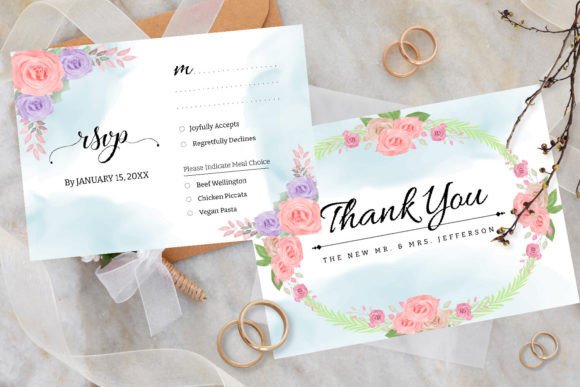
Imagine holding an invitation that feels less like a piece of paper and more like a preserved memory. The gentle wash of color, the delicate brushstrokes of leaves and petals, and the elegant typography all work together to set a tone of sophisticated romance. This is the essence of a watercolor floral wedding invitation card. It’s a design that communicates a sense of artistry, softness, and timeless beauty long before the first guest arrives. For designers, stationers, and couples planning their special day, finding a template that balances artistic flair with practical editability is the first step to creating a truly memorable suite.
The Art of Soft Elegance in Design
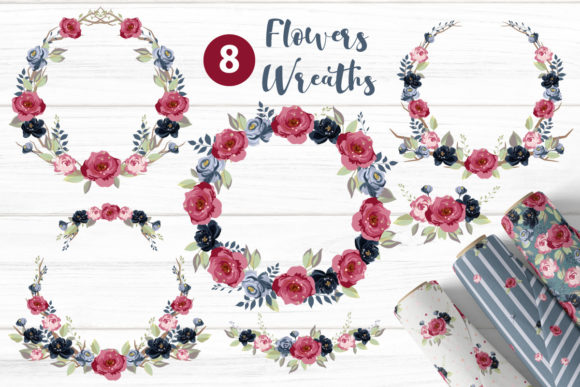
What makes a watercolor floral design so universally appealing? It’s the inherent warmth and organic quality. Unlike stark digital graphics, watercolor effects mimic the unpredictable, gentle blending of pigments on paper. A template featuring dusty rose and sage greenery taps directly into a classic, romantic color palette that feels both current and timeless. The dusty rose offers a soft, feminine warmth, while the greenery leaves provide a natural, grounding contrast. This combination avoids being overly sweet, instead achieving a balanced and elegant sophistication.
This design style excels in creating a visual narrative. The floral elements aren’t just decorations; they evoke feelings of a garden wedding, a spring celebration, or a rustic-chic affair. For a designer, this means the template does much of the heavy lifting in setting the event’s mood. The built-in aesthetic guides the entire creative direction, from the RSVP card to any additional inserts, ensuring a cohesive story is told through every piece of the invitation suite.
Beyond the Wedding Suite: Versatile Applications
While the primary use case is clear, the versatility of a well-crafted watercolor floral template extends far beyond wedding invitations. The editable vector files and high-resolution JPGs are a toolkit for various creative and commercial projects. Consider how these assets can be adapted:
- Branding for Boutique Businesses: A florist, wedding planner, boutique hotel, or artisan bakery can extract the floral motifs and color palette to build a complete brand identity. Use the watercolor elements for logo design, business cards, and letterheads to communicate a handcrafted, elegant aesthetic.
- Packaging & Product Labels: For small businesses selling handmade soaps, candles, or gourmet foods, the soft floral graphics make for beautiful, eye-catching packaging design. The dusty rose and greenery can help products stand out on a shelf with a premium, artisanal feel.
- Digital Presence & Social Media: The JPG files are perfect for creating a consistent look across Instagram, Pinterest, and Facebook. Use them as backgrounds for quotes, announcements, or promotional graphics. The template can also inspire the visual direction for a website or blog, particularly for lifestyle, wedding, or fashion niches.
- Print Materials & Editorial Layouts: Think beyond digital. These graphics enhance printed lookbooks, menu designs for a restaurant, or even elegant event posters. In editorial design, they can serve as beautiful chapter headers or accent pieces in a magazine layout.
The key is the editable vector file. In Adobe Illustrator or similar software, you can scale the elements without losing quality, change colors to match a specific brand palette, or isolate single flowers and leaves for use as standalone icons or accents. This flexibility transforms a single wedding invitation template into a multi-purpose design asset.
Practical Guidance for Flawless Execution
To leverage a template like this effectively, a thoughtful approach is necessary. First, consider the font pairing. The template uses a free, elegant font, but understanding why it works is crucial. A flowing script or a refined serif font complements the organic, hand-painted feel of the watercolor elements. Avoid pairing it with a stark, geometric sans serif unless you’re intentionally creating a bold, modern contrast. The goal is typographic harmony where the text and art feel like they belong together.
Next, focus on readability and hierarchy. The most important information—the names of the couple, the date, and the venue—must be instantly legible. Use the more decorative script font for headlines and names, and a clean, simple serif or sans serif for the smaller, detailed information. Ensure there is enough contrast between the text color and the background wash. Testing the design at its final print size is non-negotiable; what looks clear on a screen might become muddy in print.
Finally, always review the licensing terms. Even when a template includes a free font, its commercial use in your final product (like selling the edited invitation suite) must be permitted. Reputable template providers are clear about this. Using assets correctly protects you legally and ensures you’re respecting the original creator’s work.
Crafting a Cohesive Brand Experience
For an entrepreneur or small business owner, a design like this watercolor floral invitation is more than a pretty picture—it’s a tool for building a recognizable brand identity. Consistency is everything. By using the same color palette and floral motifs across your wedding stationery, social media graphics, and website, you create a seamless experience for your audience. This visual consistency builds trust and professionalism. Clients or guests will immediately recognize your aesthetic, which strengthens brand recall and emotional connection.
Imagine a wedding planner who uses this template for their own marketing materials. Their business cards, proposal documents, and Instagram feed all share the same elegant watercolor style. This not only looks professional but also directly showcases their taste and attention to detail to potential clients. It’s a practical demonstration of their skill set.
In the end, a beautifully designed template like this serves as a powerful starting point. It provides the artistic foundation—those gorgeous watercolor florals and a tested color scheme—while granting you the creative freedom to adapt it to your unique vision. Whether you’re crafting a singular wedding invitation or building a brand’s entire visual language, it’s a resource that blends artistic inspiration with practical, editable functionality, helping you communicate beauty, elegance, and care in every project you undertake.