Enchanting Wedding Invitation Card Illustrations for Every Project
There’s a certain magic in the details of a wedding invitation. It’s more than just information—it’s the first glimpse guests have into the style, mood, and personality of the couple’s big day. Capturing that feeling requires more than just elegant typography; it often calls for beautiful, heartfelt artwork. This is where thoughtfully crafted wedding invitation card illustrations come into play, offering a versatile and charming asset that can elevate a wide range of creative projects far beyond the envelope.
A Visual Language of Celebration and Style
What makes these particular illustrations so appealing is their ability to convey romance, joy, and sophistication through a single visual motif. Imagine delicate floral borders, whimsical botanical wreaths, or graceful monogram frames. These aren't just random doodles; they are cohesive design elements built with a specific aesthetic in mind. The lines are clean yet organic, the compositions are balanced, and the style often walks a beautiful line between modern simplicity and classic elegance. This makes them incredibly adaptable. A designer looking for a premium font pairing will find these illustrations complement script and serif typefaces perfectly, adding a layer of artistry that plain text cannot achieve.
The true value lies in their foundational design. Created as high-quality vector files, they maintain crispness and clarity whether you scale them down for a delicate social media icon or blow them up for a large-format poster. This scalability is a non-negotiable for professional work, ensuring your final output always looks polished and intentional.
From Nuptials to Everyday Commerce: Unexpected Applications
While their origin is in wedding stationery, the potential applications for these illustrations are surprisingly broad. Think of them as a toolkit of elegant visual assets ready to be deployed across numerous mediums.
- Brand Identity & Packaging: A small business selling artisanal chocolates, scented candles, or gourmet teas could use a floral wreath illustration as a central branding element. It becomes the logo, adorns the packaging, and creates a consistent, upscale feel across all materials.
- Digital Presence: For bloggers and content creators, these illustrations are gold. Use them as header graphics for blog posts about lifestyle, fashion, or event planning. They can frame a quote on Instagram, create a beautiful Pinterest pin template, or add a touch of class to a YouTube thumbnail.
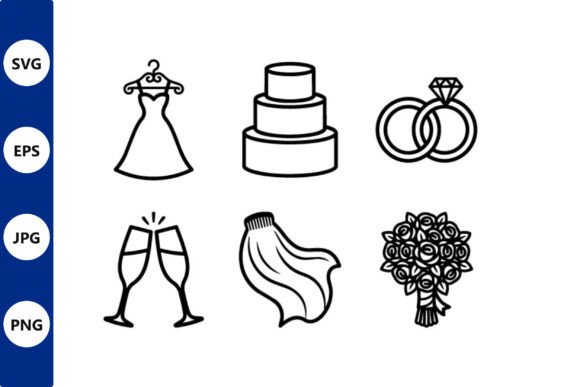
- Product Design & Merchandise: This is where versatility shines. The same illustration that graces an invitation can be adapted for a phone case, a tote bag, or a T-shirt design. It can become a repeating pattern for printed paper or a focal point on a decorative pillow. The included file formats (AI, EPS, high-res JPG, and PNG) make this transition from screen to print seamless.
- Print & Editorial: Designers working on book layouts, especially for children's books, cookbooks, or lifestyle magazines, can use these elements as chapter headings, page dividers, or spot illustrations. They add visual interest and break up text-heavy pages without overwhelming the content.
Practical Advice for Seamless Integration
Simply downloading a set of beautiful illustrations isn't enough. The key to using them effectively is thoughtful integration into your project's overall design language.
Match the Mood to the Mission. Before you place an illustration, ask: does its style align with the project's goal? A delicate, minimalist floral sprig might be perfect for a high-end bakery's logo but could feel out of place on a vibrant, energetic children's party flyer. Always let the project's personality guide your choice.
Master the Art of Pairing. These illustrations often act as the supporting actor to your typography. A ornate border pairs best with a clean, simple sans-serif font to avoid visual clutter. Conversely, a more straightforward illustration can handle a more expressive script font. Always test your font pairings together with the illustration to ensure harmony, not competition.
Consider the Commercial Context. One of the most critical steps is reviewing the licensing of any design asset. A truly professional-grade illustration set will come with a clear commercial license, allowing you to use it in projects you sell—like on merchandise or in client work—without legal ambiguity. This peace of mind is essential for entrepreneurs and freelancers.
Building a Cohesive and Professional Aesthetic
Ultimately, the goal of using any high-quality design asset is to elevate the final product. Consistent use of a specific illustration style across a brand's touchpoints—from its website to its packaging to its social media—builds instant recognition. It tells a cohesive visual story. This isn't just about looking pretty; it's about strategic communication. A well-chosen illustration can improve readability by providing visual breaks, enhance audience engagement by evoking an emotion, and solidify a brand's professional presentation in a crowded market.
So, whether you're a designer meticulously crafting a client's wedding suite, a small business owner seeking a distinctive brand mark, or a hobbyist looking to add a professional flair to personal projects, exploring the potential of versatile illustration sets is a smart move. They offer a bridge between generic templates and fully custom artwork, providing that much-needed touch of uniqueness and craftsmanship. The included file formats give you the flexibility to experiment and execute your vision across any platform, turning a single beautiful illustration into a cornerstone of your creative toolkit.